
White Label WordPress Development for Agencies: Complete Guide
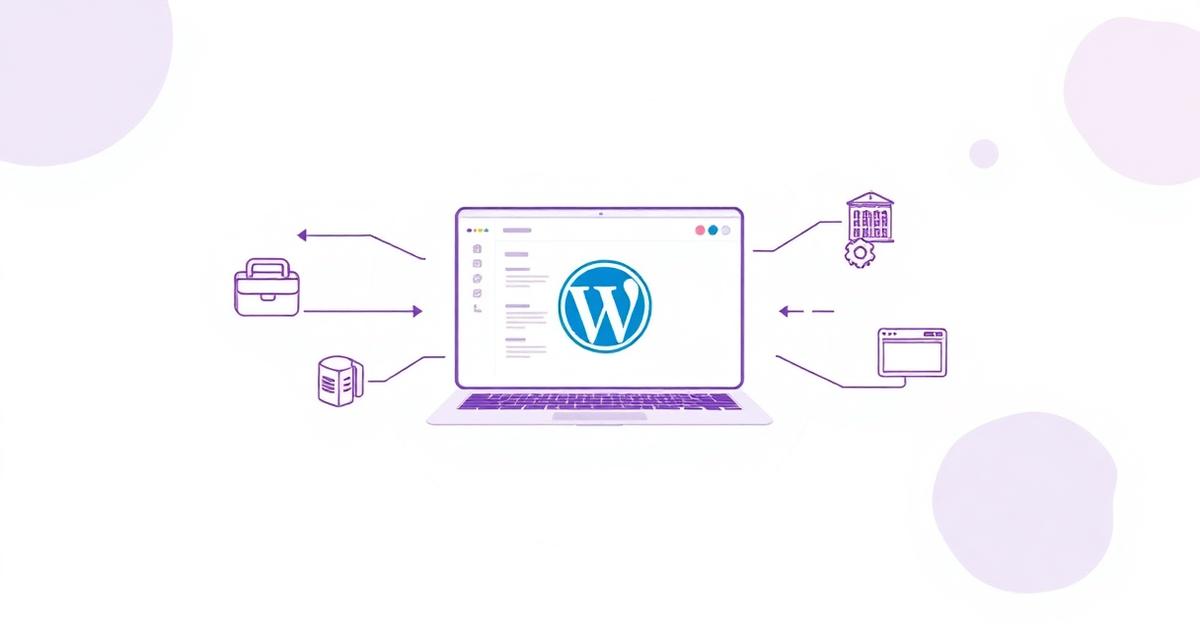
White label WordPress development allows an agency to sell WordPress website services under its own brand while a specialist development partner handles some or all of the technical work behind the scenes.
The client continues working with the agency. The agency controls the relationship, pricing, communication, strategy, and final delivery. Meanwhile, the white label WordPress development team can handle tasks such as theme development, Elementor builds, WooCommerce development, custom functionality, migrations, performance improvements, maintenance, and technical support.
In simple terms:
Your Client → Your Agency → White Label WordPress Development Team → Your Agency → Client
For SEO agencies, design studios, branding companies, marketing agencies, consultants, and freelancers, this model can be an effective way to offer WordPress development without building a full internal development department.
But successful white label WordPress development involves much more than finding someone who knows how to install WordPress.
Agencies need a partner that can work reliably behind their brand, understand project requirements, maintain confidentiality, follow development standards, perform quality assurance, communicate clearly, and scale as project volume increases.
This complete guide explains how white label WordPress development works, what services can be outsourced, how agencies price and resell WordPress projects, what to look for in a partner, how to protect clients, and when white labeling makes more sense than freelancers or in-house developers.
Table of Contents
- What Is White Label WordPress Development?
- How Does White Label WordPress Development Work?
- Who Uses White Label WordPress Development?
- What Can a White Label WordPress Developer Do?
- Complete WordPress Website Development
- WordPress Website Design and Implementation
- Elementor Development
- Custom Theme Development
- Theme Customization
- Plugin Configuration and Development
- WooCommerce Development
- WordPress Migration
- Speed and Performance Optimization
- WordPress Maintenance and Support
- SEO-Friendly WordPress Development
- White Label WordPress Development Workflow
- How Client Communication Works
- White Label WordPress Development Pricing
- How Agencies Make Money
- White Label WordPress vs Freelancers
- White Label WordPress vs In-House Developers
- White Label WordPress vs Traditional Outsourcing
- Benefits for Agencies
- Potential Risks
- NDA and Confidentiality
- WordPress Security
- WordPress Licensing and Ownership
- How to Choose a White Label WordPress Development Agency
- Questions to Ask Before Hiring
- Red Flags to Avoid
- How to Start With a Test Project
- How to Scale Your WordPress Service
- Frequently Asked Questions
What Is White Label WordPress Development?
White label WordPress development is an arrangement in which a WordPress developer or development company performs technical work for another agency, while the agency sells and delivers that work under its own brand.
For example, imagine you operate an SEO agency.
A client asks:
“Can you redesign our WordPress website?”
Your team may be excellent at:
- SEO strategy
- content
- analytics
- keyword research
- link building
but may not have enough WordPress developers available.
Instead of rejecting the project or sending the client to another company, you can work with a white label WordPress development partner.
Your agency remains responsible for the client.
The development partner works behind the scenes.
The final project is delivered as part of your agency's service.
That is the core white label model.
How Does White Label WordPress Development Work?
A typical project follows this structure:
Client Inquiry → Discovery → Project Scope → Technical Review → Development Estimate → Agency Proposal → Client Approval → WordPress Development → QA → Agency Review → Client Feedback → Revisions → Launch → Maintenance
The development partner does not necessarily communicate directly with the client.
Depending on the agreement, your agency may manage:
- discovery
- project requirements
- client meetings
- proposals
- invoices
- content
- design
- feedback
- final approvals
The white label partner may manage:
- WordPress setup
- development
- functionality
- plugin configuration
- responsive implementation
- technical testing
- deployment
- maintenance
The exact division should be documented before the project begins.
Who Uses White Label WordPress Development?
White label WordPress services are useful for many types of businesses.
SEO Agencies
SEO agencies frequently encounter clients with websites that need technical improvements.
Examples include:
- slow WordPress websites
- poorly structured pages
- outdated themes
- mobile layout problems
- technical SEO issues
- broken templates
- difficult page builders
Instead of referring these clients elsewhere, the agency can include development within its service offering.
Digital Marketing Agencies
Marketing agencies may manage:
- SEO
- PPC
- social media
- email marketing
- content
- conversion optimization
All those channels eventually interact with the client's website.
Having access to WordPress development means the agency can also deliver:
- landing pages
- site redesigns
- campaign pages
- tracking implementations
- conversion improvements
Web Design Agencies
A design agency may create excellent:
- wireframes
- UI
- UX
- Figma designs
- brand systems
but have limited development resources.
A white label WordPress team can convert those approved designs into functioning websites.
Branding Agencies
Branding projects frequently lead naturally into website projects.
Instead of finishing a brand identity and referring the website elsewhere, an agency can provide both services through a development partner.
Freelancers
Freelance designers, SEO consultants, and marketers can use white label development when client projects become too technical or too large to complete alone.
Existing Development Agencies
Even WordPress agencies can use white label teams.
One month may be manageable.
The next month may bring five large projects simultaneously.
White label partners can provide temporary overflow capacity.
What Can a White Label WordPress Developer Do?
WordPress white label services can cover almost the entire website lifecycle.
Common services include:
- WordPress website development
- custom WordPress development
- theme development
- theme customization
- Elementor development
- Gutenberg development
- WooCommerce
- landing pages
- migrations
- plugin customization
- custom functionality
- API integrations
- speed optimization
- technical SEO implementation
- website audits
- bug fixing
- ongoing maintenance
- security updates
- content updates
Agencies should choose a partner based on the services they actually expect to sell.
Complete WordPress Website Development
One of the most common white label services is complete website development.
A typical project may include:
- WordPress installation
- website architecture
- theme configuration
- approved design implementation
- reusable sections
- forms
- responsive layouts
- blog configuration
- SEO settings
- analytics setup
- testing
- launch
The agency can provide the entire client-facing experience while the WordPress production happens in the background.
For agencies looking for this type of production support, white label WordPress development can provide dedicated development capacity behind the agency's brand.
WordPress Website Design and Implementation
Not every agency provides finished website designs.
A white label relationship can therefore take several forms.
Model 1: Agency Supplies Designs
The agency provides:
- Figma
- Adobe XD
- Sketch
- another approved design
The development partner builds the WordPress website.
This is common for design-focused agencies.
Model 2: Partner Handles Design and Development
The agency supplies requirements and branding.
The white label partner handles:
- wireframes
- design
- responsive layouts
- WordPress development
This can work for SEO and marketing agencies without internal design teams.
Model 3: Shared Workflow
The agency handles high-level creative direction while the development partner supports production design and implementation.
This model is useful when the agency wants creative control without handling every screen internally.
Elementor Development
Elementor is commonly used for agency WordPress projects because it allows clients and internal agency teams to edit many website sections visually.
White label Elementor development can include:
- Elementor setup
- Elementor Pro configuration
- custom page implementation
- reusable sections
- global styling
- responsive layouts
- template creation
- dynamic content
- forms
- custom CSS
- custom JavaScript
- WooCommerce templates
However, agencies should still care about development quality.
A poorly built Elementor website may suffer from:
- unnecessary nested containers
- inconsistent spacing
- duplicate styling
- excessive plugins
- difficult editing
- poor responsive behavior
- performance problems
A page builder does not remove the need for development standards.
Custom Theme Development
Some projects require greater control than an off-the-shelf theme provides.
Custom theme development may be appropriate when:
- design is highly customized
- performance is important
- reusable components are required
- the client has unusual content structures
- long-term maintainability matters
A custom theme can be built around the project's actual requirements rather than forcing the design into a generic template.
However, custom development usually requires more time and budget than adapting an existing theme.
Theme Customization
Not every project needs a custom theme.
Theme customization can be a cost-effective option when:
- the existing theme already matches much of the required layout
- the project budget is limited
- functionality is relatively standard
- launch speed matters
Customization may include:
- colors
- typography
- templates
- page layouts
- headers
- footers
- blog layouts
- forms
- WooCommerce styling
The agency should clarify how much customization is included before pricing the project.
Plugin Configuration and Development
WordPress plugins can extend functionality without changing the theme.
Custom plugin development may be needed for:
- third-party integrations
- custom workflows
- calculators
- booking functionality
- user dashboards
- custom admin tools
- API connections
- data processing
- automation
Agencies should be cautious about trying to solve every requirement by adding another third-party plugin.
Too many overlapping plugins can create:
- compatibility problems
- performance issues
- update conflicts
- security exposure
- maintenance complexity
Sometimes custom functionality is the more maintainable solution.
WooCommerce Development
WooCommerce allows agencies to extend WordPress into ecommerce.
White label WooCommerce services may include:
- store setup
- product templates
- product variations
- cart
- checkout
- payment gateways
- shipping configuration
- tax configuration
- discount rules
- customer accounts
- subscriptions
- order workflows
- third-party integrations
- custom ecommerce functionality
Ecommerce projects require more careful scoping than basic websites.
A client saying:
“We need a WooCommerce store.”
does not provide enough information for an accurate quote.
A proper discovery process should determine:
- number of products
- simple vs variable products
- payment methods
- shipping regions
- tax requirements
- subscriptions
- memberships
- wholesale pricing
- inventory integrations
- fulfillment systems
Agencies can use white label WooCommerce development when ecommerce demand exceeds internal capacity.
WordPress Migration
Agencies may also receive clients that need migration rather than a new website.
Common migrations include:
- WordPress host to WordPress host
- staging to production
- HTTP to HTTPS
- domain change
- subdomain to primary domain
- existing CMS to WordPress
- page builder migration
- website redesign migration
Migration requires careful handling of:
- files
- database
- URLs
- redirects
- images
- forms
- analytics
- SEO metadata
- DNS
- SSL
Poor migration can create serious SEO and functionality problems.
Speed and Performance Optimization
Performance is a major concern for agencies because slow websites affect both user experience and marketing performance.
WordPress performance work may include:
- image optimization
- caching
- asset optimization
- plugin review
- database cleanup
- server configuration
- CDN configuration
- font optimization
- JavaScript reduction
- CSS optimization
- lazy loading
Performance optimization should focus on real bottlenecks rather than blindly installing more optimization plugins.
A proper audit should identify what is slowing the website before changes are made.
WordPress Maintenance and Support
Development does not end after launch.
WordPress websites require ongoing technical attention.
Maintenance may include:
- WordPress core updates
- plugin updates
- theme updates
- backups
- uptime monitoring
- security checks
- malware scanning
- bug fixes
- content changes
- performance checks
- database maintenance
Agencies can sell these services through recurring care plans.
A white label website maintenance service allows the agency to continue managing the client relationship while technical maintenance happens behind the scenes.
Support and maintenance overlap, but they are not exactly the same.
Maintenance is often proactive. Examples:
- updates
- backups
- monitoring
Support is often reactive. Examples:
- broken form
- layout problem
- plugin conflict
- client cannot edit a page
- checkout problem
- unexpected error
A complete agency offering can include both.
SEO-Friendly WordPress Development
SEO agencies should pay particular attention to how WordPress websites are developed.
A visually attractive website can still damage organic performance if implementation creates:
- crawlability issues
- broken redirects
- duplicated URLs
- poor heading hierarchy
- blocked pages
- weak internal links
- slow performance
- improper canonical tags
- migration errors
SEO-friendly WordPress development should consider SEO throughout the project.
Important areas include:
- clean URL structure
- editable metadata
- logical headings
- XML sitemap
- robots directives
- canonical configuration
- redirect mapping
- image alt attributes
- structured internal linking
- schema where appropriate
- performance
- responsive design
Our SEO-friendly web development service focuses on aligning technical development with search requirements.
White Label WordPress Development Workflow
A structured workflow helps agencies deliver projects consistently.
A typical process looks like this:
Client Inquiry → Discovery → Requirements → Technical Review → Scope → Estimate → Proposal → Approval → Development → QA → Agency Review → Client Feedback → Revisions → Launch → Maintenance
Let's examine each stage.
Step 1: Client Discovery
The agency identifies:
- website objectives
- audience
- page count
- design requirements
- functionality
- CMS expectations
- ecommerce requirements
- integrations
- timeline
The goal is to eliminate ambiguity.
Step 2: Technical Review
The white label partner reviews the requirements.
Technical review helps identify:
- complexity
- limitations
- plugin requirements
- custom development
- integrations
- estimated effort
- project dependencies
This should happen before the agency makes major commitments to the client.
Step 3: Scope and Estimate
The development partner creates an estimate based on the defined requirements.
The scope should clarify:
Included
- pages
- templates
- functionality
- forms
- responsive development
- revisions
- QA
- deployment
Excluded
- content
- photography
- advanced integrations
- paid plugin licenses
- additional pages
- post-launch maintenance
Clear exclusions help prevent misunderstandings.
Step 4: Agency Proposal
The agency creates its own client-facing proposal.
The partner price and client price are separate.
For example:
- White label development: $3,000
- Agency internal delivery cost: $1,500
- Total cost: $4,500
- Client price: $7,500
The $3,000 difference between total cost and client price represents gross project contribution before broader company expenses.
Step 5: Project Kickoff
Once approved, the development team should receive:
- approved scope
- designs
- brand guidelines
- content
- images
- credentials
- functionality requirements
- plugin requirements
- integrations
- deadlines
Starting development without required assets often causes unnecessary delays.
Step 6: Development
The development team creates the website according to the approved requirements.
This may include:
- WordPress configuration
- global styles
- templates
- page development
- forms
- custom code
- plugins
- integrations
- responsive implementation
Step 7: Technical QA
Before the agency sees the finished build, the developer or QA team should test it.
Checks may include:
- design accuracy
- forms
- links
- responsive behavior
- browser compatibility
- functionality
- content
- WordPress admin
- performance
Step 8: Agency Review
The agency performs another review.
This allows the account or project manager to make sure the website matches what the client was promised.
Step 9: Client Feedback
The client reviews the staging website.
Feedback should ideally be consolidated into a structured list.
Avoid sending development teams contradictory instructions from:
- Slack
- meetings
- documents
all at once.
Step 10: Revisions
Included revisions are completed.
New functionality should be treated separately from normal revisions.
For example:
- Changing button spacing is a revision.
- Adding a membership system is new scope.
Step 11: Pre-Launch QA
Before deployment, review:
- forms
- mobile
- navigation
- content
- SEO settings
- analytics
- redirects
- backups
- domain
- SSL
Step 12: Launch
The website is moved or deployed to production.
Post-launch tests should confirm that:
- website loads
- forms work
- SSL works
- analytics works
- redirects work
- important functionality works
Step 13: Maintenance
The agency can then offer recurring technical support.
This creates the opportunity to move from:
one-time website revenue
to:
website + maintenance + SEO + landing pages + ongoing development
How Client Communication Works
White label WordPress projects can use several communication models.
Agency-Only Communication
The client only communicates with the agency.
Client ↔ Agency ↔ Development Partner
This provides maximum brand control.
White Label Team Appears as Agency Team
Developers may attend technical meetings under the agency's approved arrangement.
This can be useful for complex requirements.
Hybrid Communication
The agency manages normal communication while developers join selected technical discussions.
The correct model depends on the project.
What matters is that client-contact rules are defined before work begins.
White Label WordPress Development Pricing
There is no universal price for white label WordPress development.
Pricing depends on:
- website size
- design complexity
- page count
- unique templates
- page builder
- custom theme requirements
- custom functionality
- WooCommerce
- integrations
- migration
- performance requirements
- timeline
- revisions
For current service options, agencies can review our pricing.
Common WordPress Pricing Models
Fixed Project Pricing
One price for an agreed scope.
Best when requirements are clear.
Hourly Pricing
Useful for:
- fixes
- legacy websites
- maintenance
- uncertain tasks
- ongoing improvements
Monthly Retainer
An agency purchases recurring development capacity.
Useful when WordPress requests arrive every month.
Dedicated Development Capacity
A developer or team is reserved for the agency.
This may be appropriate for high-volume relationships.
How Agencies Make Money
Suppose your white label partner charges:
$2,500
Your agency spends another:
$1,000
on:
- project management
- QA
- meetings
- coordination
Total delivery cost:
$3,500
You sell the project for:
$6,000
Gross project contribution:
$2,500
Gross project margin:
41.7%
That $2,500 is not necessarily net profit because broader costs still exist.
But this shows how the model works.
The agency creates value through:
- client acquisition
- brand
- strategy
- communication
- project management
- quality control
- final delivery
while purchasing specialized technical production separately.
Markup vs Margin
Agencies frequently confuse markup and margin.
Suppose development costs:
$2,000
You sell the project for:
$4,000
Your markup is:
100%
But your gross margin is:
50%
The margin formula is:
(Selling Price − Cost) ÷ Selling Price × 100
So:
($4,000 − $2,000) ÷ $4,000 = 50%
Understanding this difference is important when pricing agency services.
White Label WordPress vs Freelancers
Both models can work.
| Factor | White Label WordPress Team | Freelancer |
|---|---|---|
| Capacity | Potentially multiple developers | Usually one |
| WordPress expertise | Multiple specialists possible | Individual skill set |
| QA | May include dedicated QA | Often self-managed |
| Project management | Often available | Varies |
| Backup capacity | Potentially higher | Limited |
| Scalability | Higher | Limited by individual time |
| Price | May be higher | Can be lower |
| Continuity | Team redundancy possible | Individual dependency |
Freelancers can be excellent for:
- small projects
- specialized tasks
- occasional work
A structured white label team may become more useful when an agency needs recurring production.
White Label WordPress vs In-House Developers
In-house development gives agencies greater direct control.
But it also creates permanent responsibilities.
| Factor | White Label | In-House |
|---|---|---|
| Recruitment | Provider handles | Agency handles |
| Fixed payroll | Lower | Higher |
| Capacity flexibility | High | Lower |
| Direct control | Moderate | High |
| Specialist access | Broad potential | Depends on team |
| Utilization risk | Lower | Higher |
| Internal knowledge | Lower | Higher |
| Scaling speed | Faster | Slower |
| Culture integration | Lower | Stronger |
White label development often works well when demand is variable.
Internal hiring often becomes more attractive when WordPress workload is consistently high.
Many agencies use both.
White Label WordPress vs Traditional Outsourcing
White label development is a type of outsourcing, but not every outsourcing relationship is white label.
Traditional outsourcing may involve a vendor communicating directly with the client.
White labeling is specifically structured around the agency's brand and customer relationship.
| Feature | White Label | Traditional Outsourcing |
|---|---|---|
| External development | Yes | Yes |
| Agency branding | Core | Not necessarily |
| Client relationship | Usually agency | Varies |
| Vendor visibility | Usually limited | May be visible |
| Reselling | Common | Not required |
| Confidentiality | Usually important | Varies |
Benefits for Agencies
-
Add WordPress Without Building a Department
An SEO or marketing agency can begin selling WordPress projects without immediately hiring developers, QA staff, or technical project managers.
-
Increase Agency Revenue
Existing clients may already need websites. White labeling lets agencies capture more of that demand.
-
Reduce Fixed Payroll
External development can make costs more variable. You purchase more development when you have more projects.
-
Scale Faster
A good partner can provide additional capacity when project volume increases.
-
Access Different Skills
Instead of relying on one developer, agencies may access expertise across WordPress, WooCommerce, Elementor, frontend, integrations, performance, and maintenance.
-
Keep the Client Relationship
This is one of the most important benefits.
Instead of saying:
“We don't build websites.”
you can potentially say:
“Yes, our agency can handle it.”
-
Build Recurring Revenue
After development, sell:
- maintenance
- WordPress support
- SEO
- content
- landing pages
- conversion optimization
Potential Risks
White label development is not risk-free.
Quality Risk
The partner's work appears under your brand.
Poor development affects your reputation.
Communication Problems
Requirements may be misunderstood if they pass through too many people.
Scope Creep
Undefined requirements can destroy margins.
Deadline Risk
If the development partner is late, your agency still has to explain the delay.
Vendor Dependence
Relying entirely on one provider creates risk.
Maintain:
- backups
- documentation
- access
- repositories
- handover procedures
Confidentiality Risk
External developers may see sensitive client data.
Contracts and access controls matter.
NDA and Confidentiality
White label development depends heavily on trust.
A partner may have access to:
- client names
- hosting credentials
- WordPress admin
- staging environments
- analytics
- designs
- content
- business information
An NDA can establish confidentiality obligations.
However, agencies should also define operational rules.
These may include:
- no unauthorized client contact
- no direct solicitation
- no unauthorized portfolio use
- controlled access
- secure credential handling
You can review our NDA and confidentiality approach for more information.
WordPress Security
Security should be built into both development and maintenance.
Important practices may include:
- keeping WordPress updated
- keeping plugins updated
- using reputable software
- strong authentication
- least-privilege access
- backups
- secure hosting
- removing unused plugins
- monitoring vulnerabilities
One important agency practice is controlling administrator access.
Not everyone working on a project needs permanent administrator credentials.
Access should match responsibility.
WordPress Plugin Risk
Plugins are one of WordPress's greatest strengths.
They are also a common source of problems.
Before installing a plugin, consider:
- Is it actively maintained?
- Is it necessary?
- Does existing functionality already solve the problem?
- Does it conflict with another plugin?
- Does it affect performance?
- What is its licensing model?
- What happens if the developer stops maintaining it?
A strong WordPress team does not simply solve every request with another plugin.
WordPress Licensing and Ownership
WordPress itself is open-source software distributed under the GNU General Public License.
However, a WordPress project can include many additional assets with their own licensing terms.
Examples include:
- premium plugins
- premium themes
- commercial fonts
- stock photography
- SaaS integrations
- proprietary APIs
Agencies should clearly establish:
- who purchases licenses
- who renews them
- whether the license belongs to the agency or client
- what happens when support ends
Custom intellectual property should also be addressed in contracts.
Who Owns the WordPress Website?
There is no universal answer covering every component.
A website may contain:
Client-Owned Assets
- logo
- text
- images
- brand materials
Open-Source Components
- WordPress
- certain themes
- certain plugins
Commercially Licensed Components
- premium themes
- paid plugins
- fonts
Custom Work
- custom design
- custom code
- custom functionality
Ownership and usage rights should be documented rather than assumed.
How to Choose a White Label WordPress Development Agency
Choosing the right partner is one of the most important decisions in the entire model.
Review Their Portfolio
Look for relevant examples.
Do not evaluate screenshots alone.
Look at:
- responsive behavior
- functionality
- design implementation
- website quality
- consistency
You can review our portfolio for examples of development work.
Evaluate WordPress Expertise
Ask what they actually work with.
For example:
- custom WordPress
- Elementor
- Gutenberg
- WooCommerce
- custom themes
- plugin development
- API integrations
A team that is excellent at simple Elementor websites may not automatically be the right partner for complex custom WooCommerce projects.
Evaluate Communication
Ask:
- Who is my contact?
- How are projects tracked?
- What are typical response times?
- How are urgent problems handled?
Poor communication can make technically good developers difficult to use.
Ask About QA
A reliable development process should include testing before delivery.
Ask whether they check:
- mobile
- desktop
- forms
- functionality
- links
- responsive layouts
- common browsers
Evaluate Capacity
If you plan to scale, ask:
- How many projects can you handle?
- How many developers are available?
- Can you support sudden increases in workload?
- What happens when a developer is unavailable?
Understand Pricing
Make sure you understand:
- what is included
- what is excluded
- revision limits
- additional work rates
- licensing costs
- maintenance costs
Understand Client Protection
Ask:
- Will you contact my client?
- Will you market to my client?
- Can you use the project in your portfolio?
- Do you sign NDAs?
These questions matter in a white label relationship.
Questions to Ask Before Hiring
Before committing to a partnership, ask:
- What types of WordPress projects do you specialize in?
- Do you work with Elementor?
- Do you build custom WordPress themes?
- Do you handle WooCommerce?
- Can you develop custom plugins?
- Do you handle API integrations?
- Who manages projects?
- How are estimates prepared?
- How do you handle revisions?
- What counts as additional scope?
- How do you perform QA?
- How do you test mobile responsiveness?
- Do you provide staging environments?
- Can you handle migrations?
- Do you provide maintenance?
- Do you sign NDAs?
- What is your direct-client policy?
- How do you handle credentials?
- What happens if a developer becomes unavailable?
- Can you scale capacity if our project volume increases?
The answers should help reveal whether the company is built for genuine agency partnerships or simply individual project outsourcing.
Red Flags to Avoid
-
Extremely Cheap Quotes Without Scope
If a provider immediately prices a complex website without reviewing requirements, the estimate may not be reliable.
-
No QA Process
Developers should not rely on clients to discover every problem.
-
Poor Communication
Slow or unclear communication during sales can be an early warning sign.
-
No Revision Policy
Undefined revisions often create disputes.
-
No Ownership Clarity
Code, licenses, accounts, and assets should be clearly addressed.
-
No Confidentiality Rules
White label providers should understand why agency-client relationships require protection.
-
Too Many Plugins
A website dependent on dozens of unnecessary plugins can become difficult to maintain.
-
No Backup or Handover Process
Your agency should not become permanently dependent on one developer's personal environment.
How to Start With a Test Project
Before moving your entire WordPress pipeline to a new provider, consider starting with a smaller project.
A pilot project can reveal:
- communication quality
- code quality
- responsiveness
- development speed
- QA quality
- revision handling
- documentation
- reliability
Once the process works, increase volume gradually.
How to Scale Your WordPress Service
The real advantage appears when the delivery system becomes repeatable.
Standardize Discovery
Use the same intake process for every website.
Standardize Your Tech Stack
Where appropriate, reduce unnecessary variation.
For example, standardize:
- hosting
- page builder
- core plugins
- form system
- analytics process
Standardize Website Packages
Create repeatable service packages.
For example:
Starter WordPress Website
- defined page count
- responsive development
- contact form
- blog
- standard functionality
Growth WordPress Website
- more unique templates
- integrations
- additional functionality
WooCommerce Website
- ecommerce-specific setup
- product templates
- checkout
- payments
Standardize Feedback
Use one feedback system.
Standardize QA
Use reusable checklists.
Standardize Launch
Use the same pre-launch and post-launch process.
Add Maintenance
Every website should have a clear post-launch option.
Maintenance can transform project revenue into recurring revenue.
Example Agency Revenue Model
Imagine an agency completes four WordPress websites per month.
Average client price:
$6,000
Monthly website revenue:
4 × $6,000 = $24,000
Suppose white label production costs average:
$2,500 per website
Total partner cost:
$10,000
Internal management and QA:
$5,000
Estimated delivery cost:
$15,000
Project contribution:
$9,000
Now suppose each new client also purchases:
$200/month maintenance
After 20 active maintenance clients:
20 × $200 = $4,000 recurring monthly revenue
This is only a hypothetical model, but it demonstrates why agencies often combine development with recurring services.
White Label WordPress Care Plans
A maintenance package can include different service levels.
Basic
- backups
- updates
- uptime monitoring
Standard
- backups
- updates
- security monitoring
- small content changes
Advanced
- maintenance
- priority support
- development allowance
- performance monitoring
The exact package should match the agency's clients and support capacity.
White Label WordPress Development for SEO Agencies
WordPress and SEO frequently overlap.
SEO agencies may need developers to implement:
- technical SEO changes
- redirects
- schema
- template improvements
- internal linking changes
- page speed improvements
- new landing pages
- programmatic templates
- conversion improvements
Building a reliable WordPress relationship allows an SEO agency to move from:
recommendation
to:
recommendation + implementation
That can increase both client value and agency revenue.
White Label WordPress Development for Design Agencies
Design agencies can use a simple division:
Agency: Strategy + UX + UI
Partner: WordPress Development
This allows designers to focus on what differentiates their agency while avoiding the need to maintain a large technical team.
White Label WordPress Development for Marketing Agencies
Marketing agencies can combine WordPress with:
- PPC
- SEO
- social media
- CRO
For example:
Google Ads Campaign + Dedicated Landing Pages + Conversion Tracking
or:
SEO Campaign + WordPress Redesign + Technical Optimization
The website becomes part of the marketing strategy rather than an isolated service.
When Should You Use White Label WordPress Development?
The model is particularly useful when:
- you receive WordPress leads but lack developers
- existing developers are overloaded
- development demand fluctuates
- you need WooCommerce expertise occasionally
- you want to add WordPress quickly
- you want to reduce recruitment requirements
- you want to test a new service
- you need overflow capacity
When Should You Hire WordPress Developers In-House?
Internal hiring may make more sense when:
- WordPress is a core service
- project demand is consistently high
- the same technical skills are needed continuously
- you can keep developers highly utilized
- proprietary internal knowledge is important
- daily collaboration is required
White labeling and hiring are not mutually exclusive.
The Hybrid Model
For many established agencies, a hybrid approach can work best.
Internal Team
Handles:
- technical leadership
- key clients
- advanced architecture
- core systems
White Label Team
Handles:
- overflow
- landing pages
- standard WordPress builds
- maintenance
- WooCommerce projects
- specialist tasks
This provides both:
control + flexibility
White Label Website Builder FAQs
Need production capacity, not another builder?
We build SEO-ready websites under your brand — NDA friendly, dedicated PM, delivered on schedule.
Get a free white label quote